Miguel Covarrubias
A fool "discovers" another artist

In the show about Black mens’ style at the Met, “Superfine,” there are two drawings by the Mexican artist Miguel Covarrubias (1904-57). In this post, I’m putting him in front of my readers. He is a fascinating person I had never heard of. (See the title of this substack.) In addition to being an artist, he was also an art historian and ethnologist. He “co-discovered” the Olmecs. He’s been called a Renaissance Man. He influenced a generation of caricaturists, including Al Hirschfeld. He hung out with Tina Modotti and Edward Weston. He was quite the internationalist, falling in love with Harlem in the 1920s. He is part of an art history that is only opening up to me now in which the center of the universe is no longer located on 53rd Street between 5th and 6th Avenues, but much further south, and it includes south of the Rio Grande.
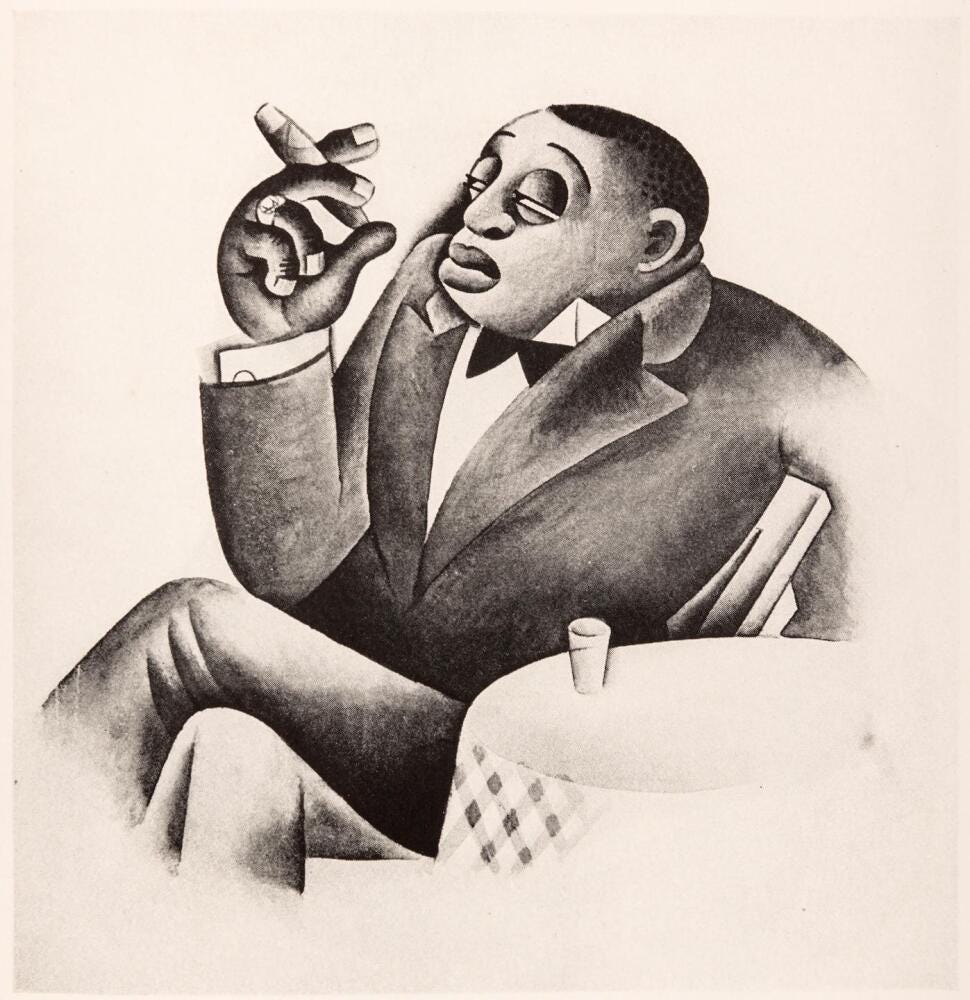
This one is “The Bolito King,” published in a book called Negro Drawings in 1927. Real name: Caspar Holstein, from Saint Croix, he apparently got rich running a gambling game but also was a pillar of the community, contributing to Marcus Garvey’s UNIA organization. Covarrubias was not trying to caricature or insult.
The other image is this one, called “Harlem Dandy”:
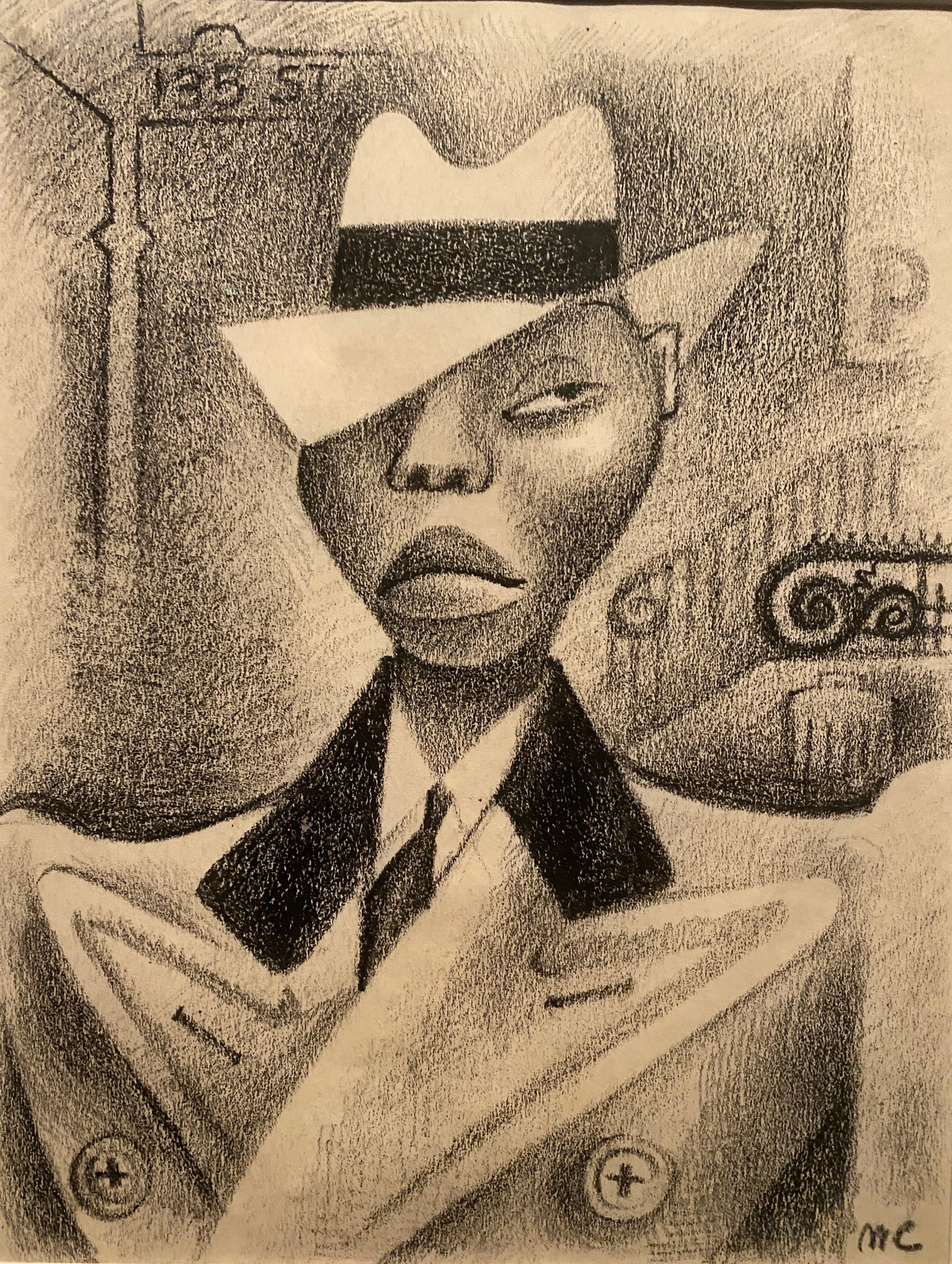
Here is what the Met put next to the image: “Mexican artist Miguel Covarrubias's illustrations of Harlem residents in the 1920s and 30s helped cement a vision of the neighborhood's denizens as vibrant, dynamic, and pleasure-seeking, ensconced in a network of thriving speakeasies, juke joints, and theaters. His caricatures were frequently featured in Vanity Fair, publicizing "the marvels of the black inhabitants of the island of Manhattan," as fellow artist Diego Rivera put it in 1932. In this drawing, Covarrubias emphasizes the angularity and exaggerated proportions of his subject's broad-shouldered coat, presaging the appearance of the zoot suit in the next decade. The figure's boldly cocked fedora underscores his sideways glance and bolsters his blasé swagger, while the background situates him on 135th Street, near the series of historic homes known as Striver's Row in central Harlem, where dapper inhabitants were known to promenade.”
In any case, I am grateful that the Met put the images above in the show. The one of the gangster Holstein captures the arrogance and personal power of a man from a hundred years ago. The one of the dandy has more raw dandyness, more cool, more stylish power, than any hundred pictures in Vogue.
The issue of M.C.’s political correctness is deal with in this article. As for the title of his book, I call your attention to the seminal book and essay called The New Negro of 1925, editor Alain Locke, which every student of African-American literature is supposed to know by heart.
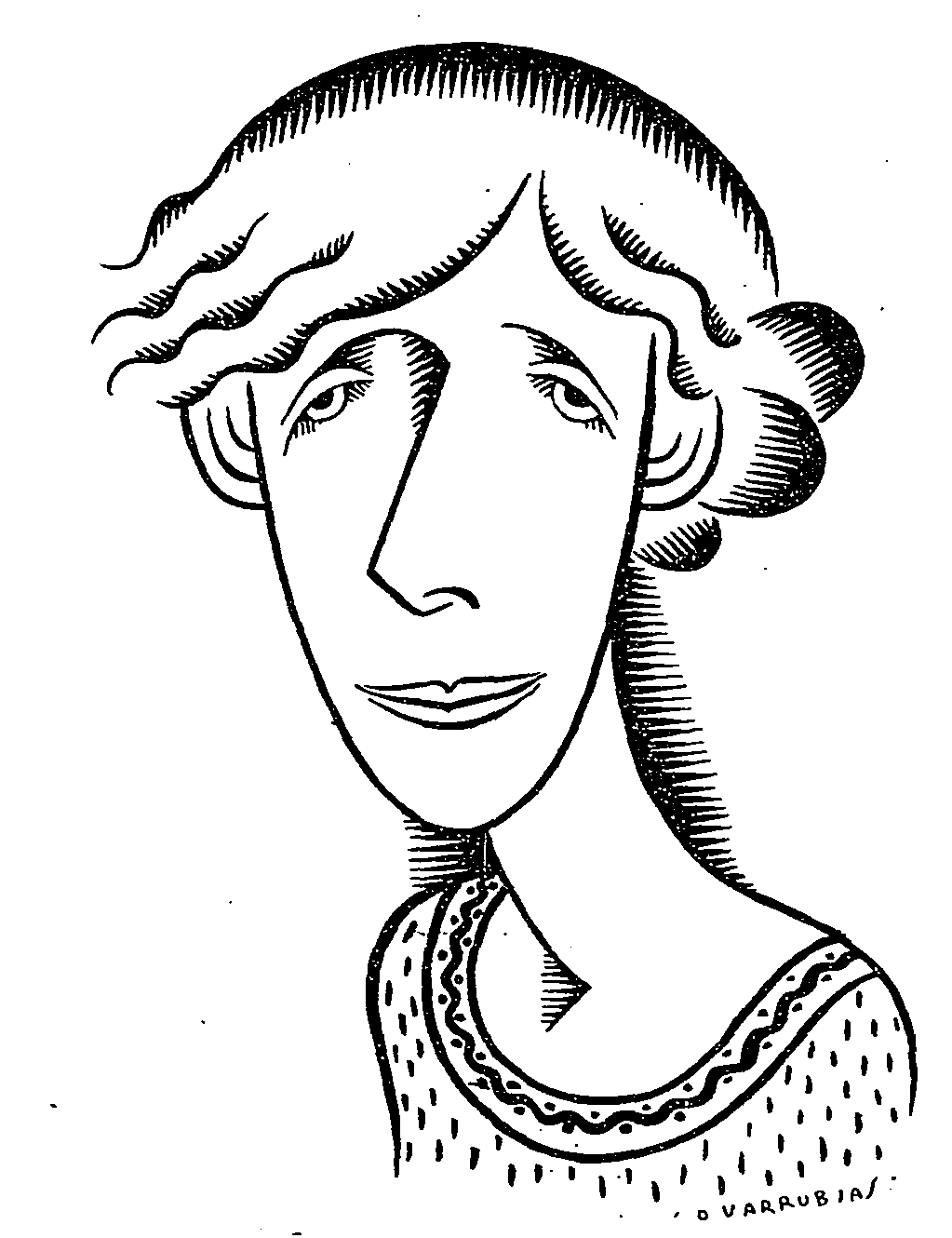
One could be forgiven for thinking he is caricaturing his Black subjects in particular, but one would be anachronistic and incorrect, or incomplete. Here is a picture of a white woman, author Rose Macaulay:
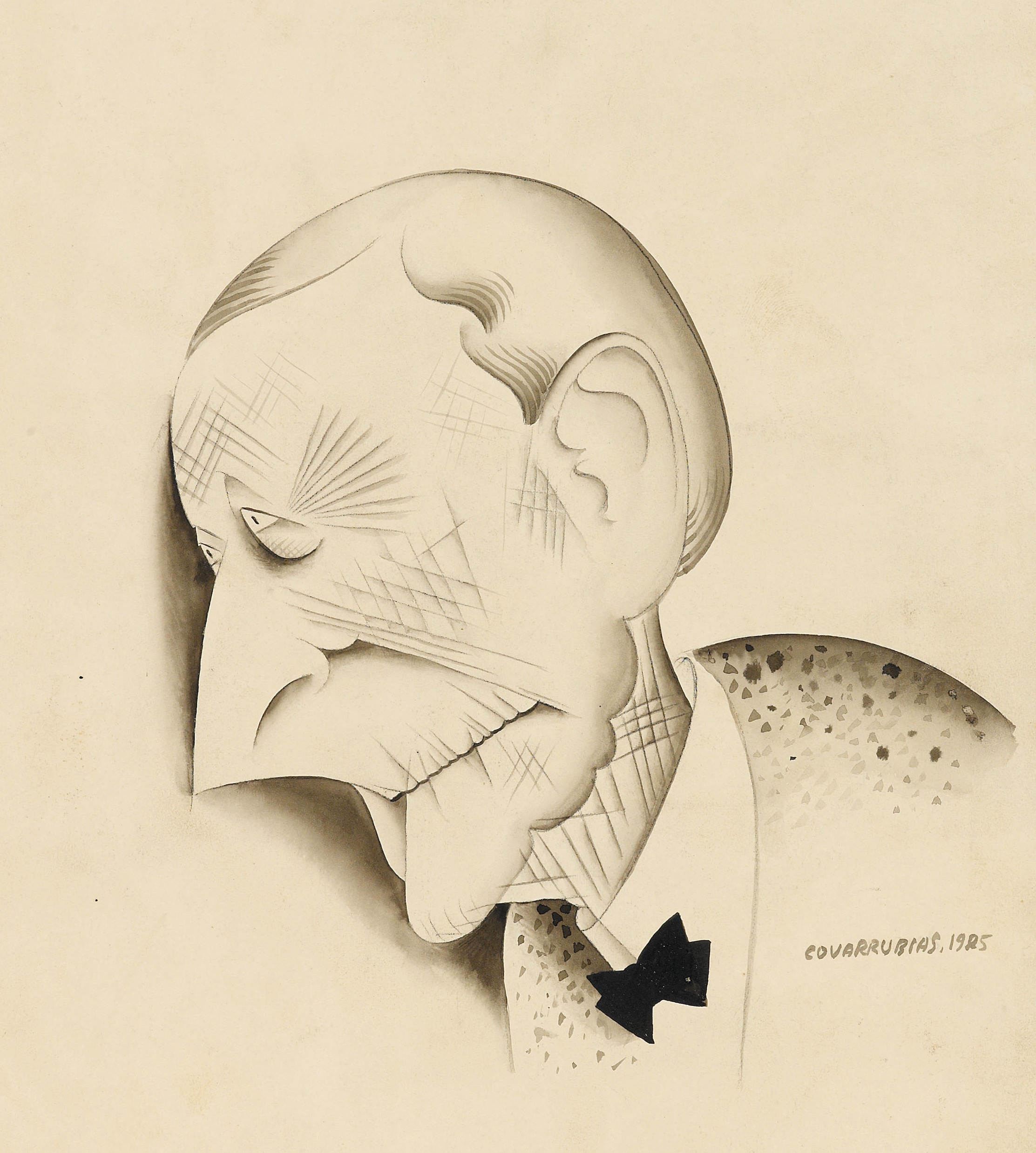
And here’s his John Rockefeller, which ain’t a flatter-fest:
What does one think of an artist who caricatured everyone, including Black people, and when he caricatured Black people he hit stereotypes, or helped create them? Here, for instance:
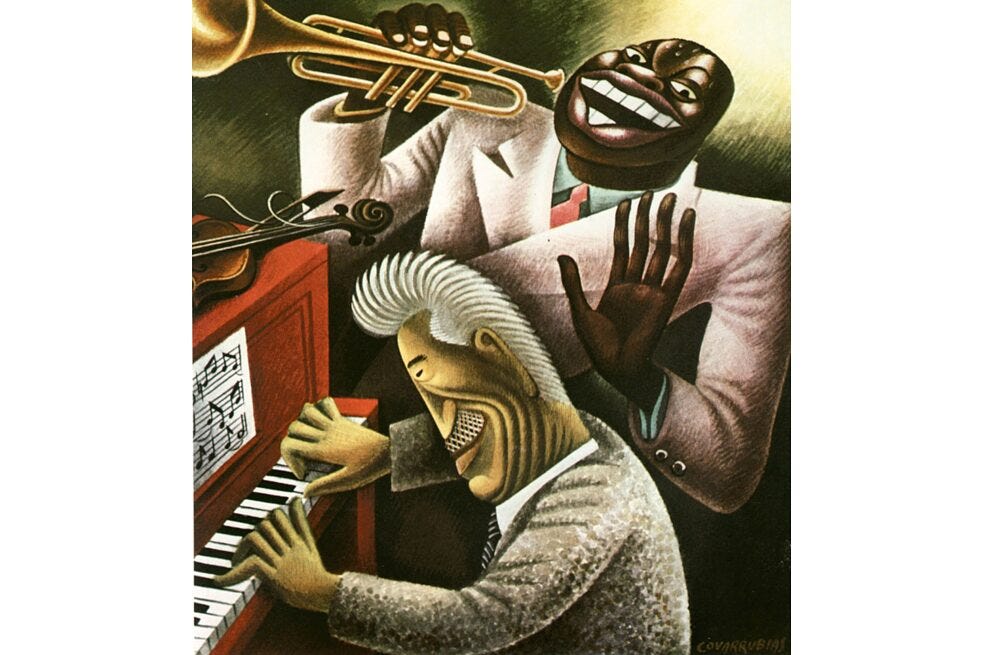
The white guy doesn’t come off so well, either, but he’s not a stereotype. Maybe the most generous thing to say, without apologizing for MC, but assuming he was celebrating the trumpeter, is that American racist poisons everything that it touches.
Here’s a selfie:
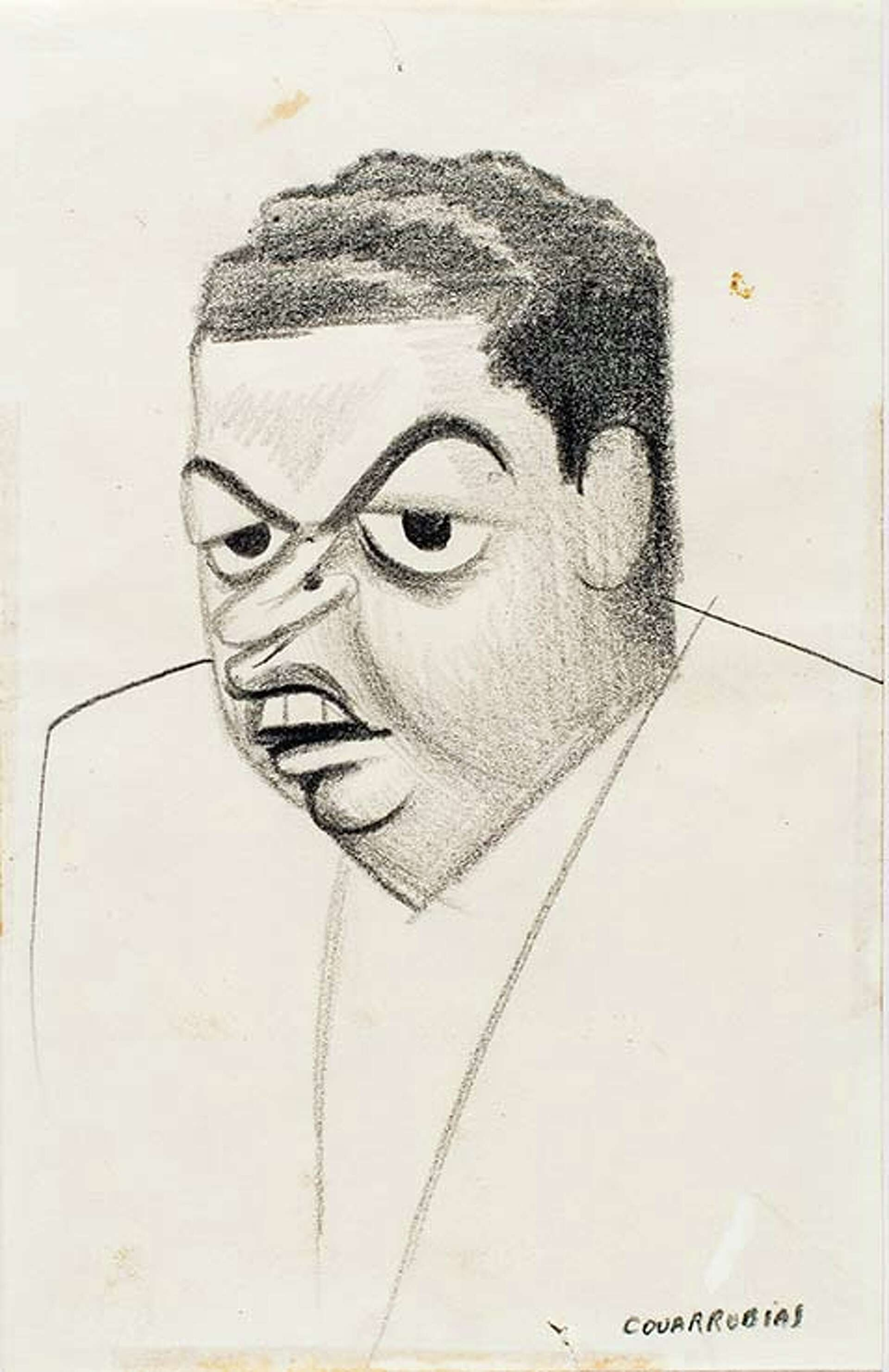
Not exactly self-exalting? And another selfie:
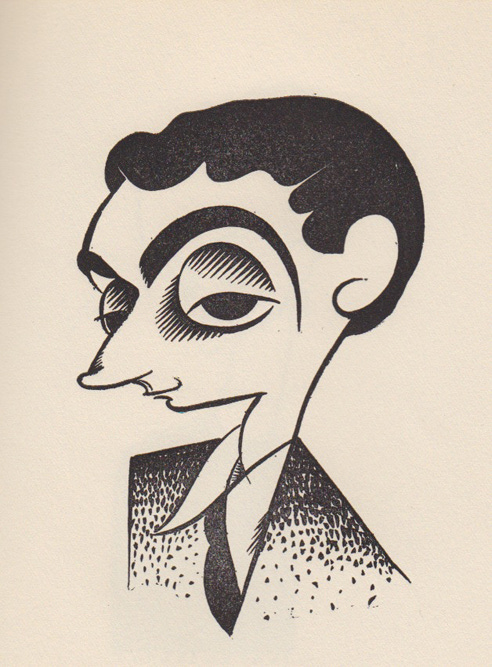
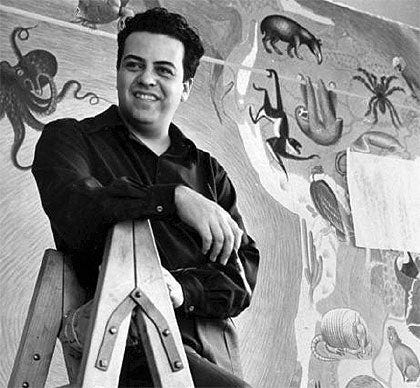
Compare with the photo, in which he turns out to be a regular human:
This person seems exalted by the portrait, called “A Woman from Bali”:
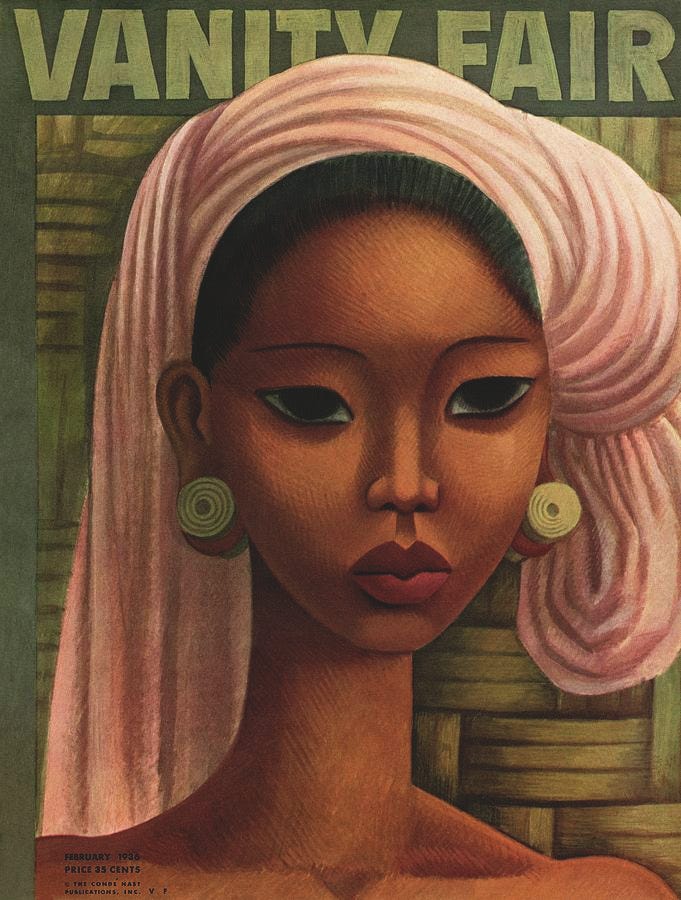
It’s not a humanizing portrait, but it’s more of an idealization than a caricature in the diminishing sense.
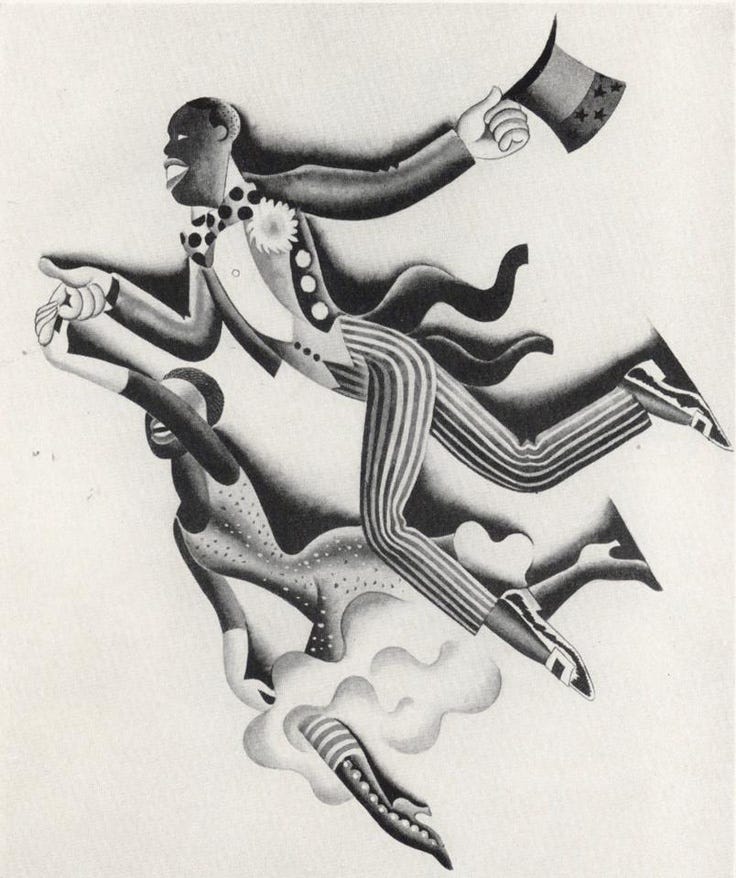
And when you see this one, do you see stereotypes, or something like a Chagall dream of Black American dance?
Nice one! I had never heard of him before either. Entire worlds in those few line strokes. Thank you!